In an era where travel is often defined by packed itineraries, visual overload, and constant stimulation, a new kind of destination is quietly gaining relevance: places designed to feel mentally light. These environments do not compete for attention or demand admiration. Instead, they gently lift mental weight, allowing guests to experience clarity, ease, and emotional spaciousness. Here, luxury is not loud. It is measured in how effortlessly the mind settles, how naturally time slows, and how little is required of the guest beyond simply being present.
Spaces That Reduce Mental Noise
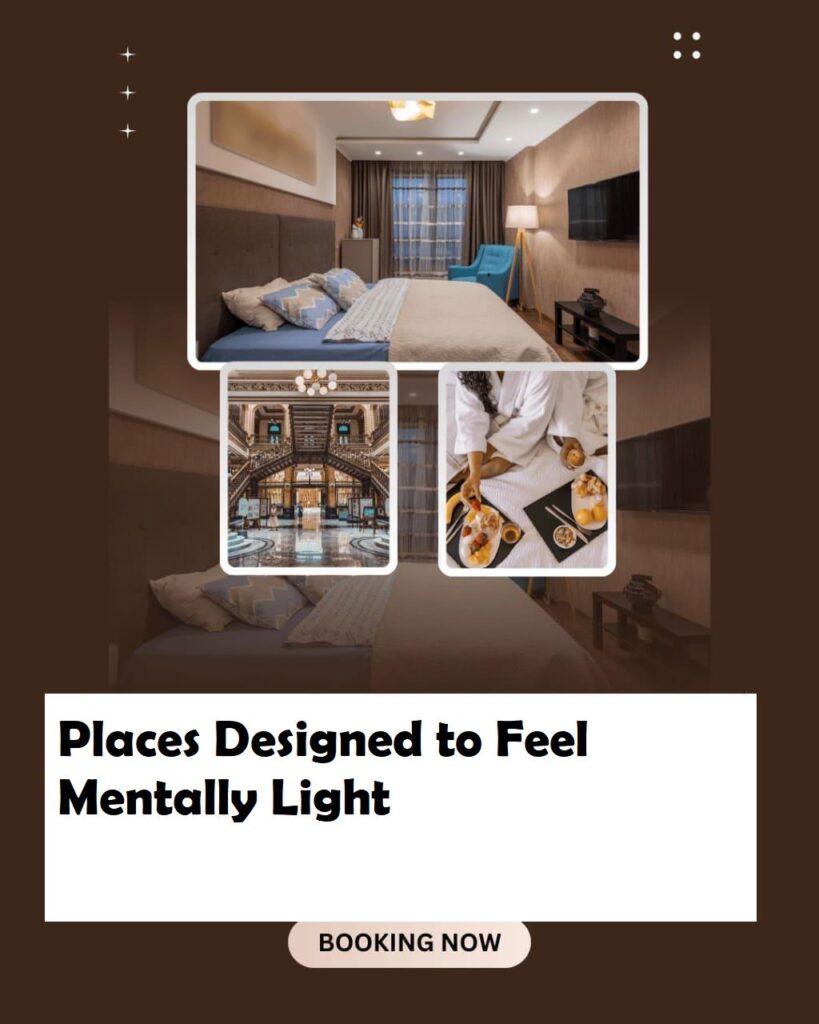
The most mentally light places begin with restraint. Architecture favors clean lines, natural materials, and generous spacing rather than ornamentation. Light enters rooms softly, never harshly, and layouts are intuitive enough that guests never need to think twice about where to go or what to do next. This reduction of decision-making is intentional. By eliminating friction, these spaces allow the mind to rest almost immediately upon arrival.
Hospitality That Anticipates Without Interrupting
Mental lightness is also created through service that feels instinctive rather than performative. Staff interactions are calm, unhurried, and precisely timed. Needs are often met before they are articulated, yet never in a way that feels intrusive. This balance gives guests a rare sense of psychological safety—nothing is demanded, nothing is pushed. The experience flows without explanation, creating a feeling of quiet confidence that replaces traditional luxury theatrics.
Environments Designed for Emotional Breathing Room
Mentally light destinations prioritize emotional spaciousness as much as physical comfort. Common areas are never crowded, and private spaces feel genuinely private without being isolating. Sound design plays a critical role: muted acoustics, natural soundscapes, and an absence of constant background noise help the nervous system unwind. The result is an environment where thoughts feel less dense and emotions move freely without pressure.
Rituals That Restore Rather Than Entertain
Instead of packed activity schedules, these places offer optional rituals—slow breakfasts, guided walks, silent spa sessions, or unstructured afternoons. Participation is always an invitation, never an expectation. Guests are free to engage deeply or disengage entirely. This freedom restores autonomy, a key ingredient in mental lightness that many modern travelers unconsciously crave.
Design That Encourages Presence
Visual simplicity is paired with tactile richness. Natural textures, balanced proportions, and subtle contrasts invite quiet attention without demanding it. There is beauty, but it reveals itself slowly. These places reward presence rather than consumption, allowing guests to feel grounded without effort. Over time, the absence of visual noise translates into mental clarity.
Q&A: Hotels Known for Creating a Mentally Light Experience
Q: Which hotels are especially known for creating a mentally light atmosphere?
A: Several properties around the world are celebrated for this approach. Aman Kyoto offers a deeply calming forest setting with minimalist architecture that encourages silence and reflection. The Brando blends ecological design with effortless service, creating a sense of mental openness shaped by nature. Como Shambhala Estate focuses on holistic well-being, where spatial flow and wellness rituals naturally reduce mental clutter. Six Senses Douro Valley combines soft design with landscape immersion, offering restorative quiet without isolation.
Q: Are these destinations suitable for travelers who prefer minimal interaction?
A: Yes. These places are particularly well-suited for guests who value autonomy and understated service. Interaction is always available but never imposed, allowing travelers to remain mentally unburdened throughout their stay.
Q: Do mentally light destinations still offer luxury?
A: Absolutely. The luxury here lies in precision, privacy, and emotional ease. High-quality materials, thoughtful service, and exceptional locations are present—but never overstated.
Conclusion: The Quiet Privilege of Mental Lightness
Places designed to feel mentally light represent a refined evolution of luxury hospitality. They offer relief not through indulgence, but through intentional simplicity and emotional intelligence. In these environments, guests rediscover clarity, regain inner space, and experience comfort without cognitive weight. The exclusivity is subtle yet profound: the privilege of staying somewhere that asks nothing of the mind, while giving back a sense of calm that lingers long after departure.