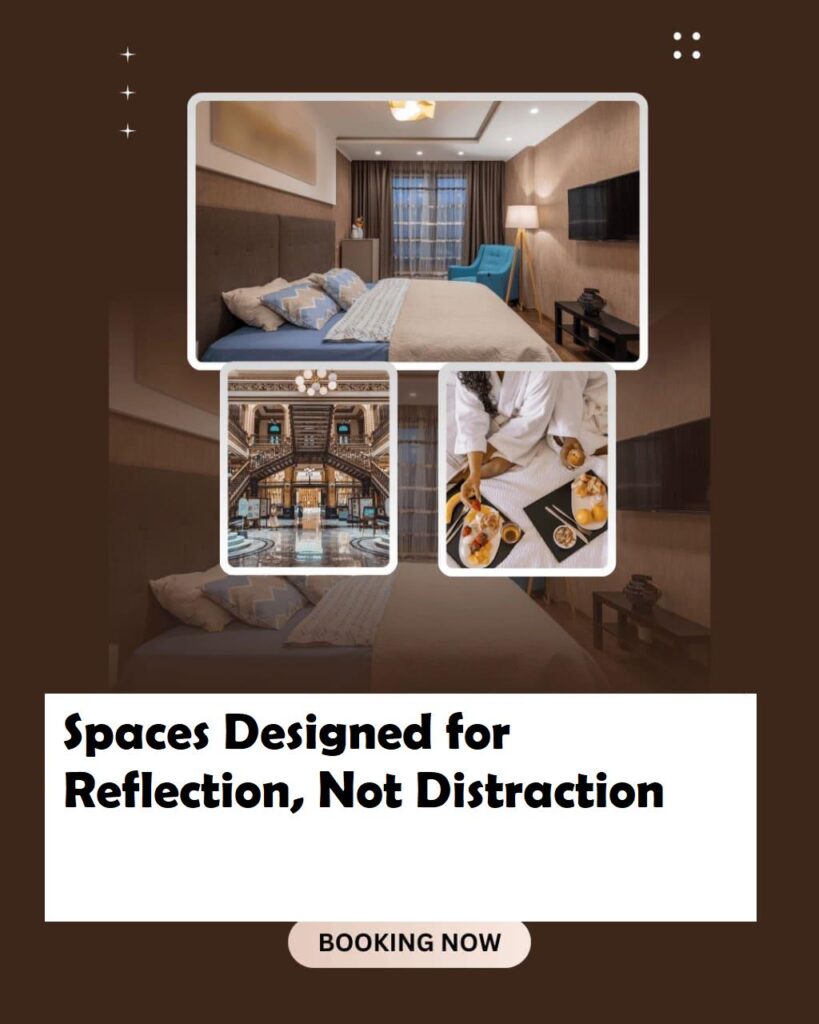
In an era defined by constant notifications, accelerated schedules, and visual overload, truly reflective spaces have become a rare luxury. Spaces Designed for Reflection, Not Distraction explores destinations that deliberately quiet the external world, allowing guests to reconnect with their thoughts, rhythms, and sense of presence. These environments are not about spectacle or abundance; instead, they are crafted with restraint, intention, and an almost philosophical approach to hospitality. Every element—from architecture to service—exists to support clarity, stillness, and inner balance.
Architecture That Encourages Inner Quiet
At Aman Tokyo, reflection begins the moment guests enter its soaring yet understated lobby. Inspired by traditional Japanese ryokan design, the hotel balances scale with silence. Natural materials, open volumes, and muted tones create a space that feels expansive without being overwhelming. Here, reflection is not scheduled—it unfolds naturally, supported by an environment that resists visual noise and unnecessary stimulation.
Landscapes That Hold Space for Thought
Nestled in the Utah desert, Amangiri offers reflection through its profound relationship with landscape. The resort’s architecture appears carved from the surrounding rock, blending seamlessly into the desert’s vastness. Days here are shaped by light, shadow, and silence rather than agendas. Guests often find that contemplation emerges effortlessly, prompted by the stillness of the environment and the absence of distraction.
Interiors Designed for Mental Breathing Room
In Copenhagen, Hotel Sanders demonstrates how intimacy can foster reflection. The hotel’s interiors are layered yet restrained, filled with tactile materials, warm lighting, and thoughtfully curated spaces that invite pause. Rather than commanding attention, the design gently recedes, encouraging guests to sit, observe, and simply be present. Reflection here feels personal, almost conversational.
Rituals That Replace Stimulation
At COMO Shambhala Estate, reflection is embedded into daily life. Surrounded by jungle and river, the estate integrates wellness rituals—yoga, meditation, hydrotherapy—into a seamless rhythm. There is no pressure to perform or optimize; instead, guests are encouraged to listen inward. The design supports this philosophy with open pavilions, flowing water, and spaces that prioritize calm over visual impact.
Service That Respects Silence
In Kyoto, HOSHINOYA Kyoto elevates reflection through service that knows when to step back. Arriving by boat along the Oi River sets a contemplative tone, while the ryokan’s discreet hospitality ensures privacy and uninterrupted time. Staff interactions are purposeful and minimal, allowing guests to maintain a sense of inner continuity throughout their stay.
Q&A: More Hotels Designed for Reflection
Q: Which hotels are ideal for travelers seeking solitude and clarity?
A: Alila Ventana Big Sur offers cliffside serenity surrounded by redwoods and ocean views, while Six Senses Bhutan provides multiple lodges designed around mindfulness, nature, and cultural immersion.
Q: Are there urban hotels that still support reflection?
A: Yes. The Upper House uses minimalist design and elevated city views to create a surprisingly tranquil atmosphere above the city’s intensity.
Q: Which destinations emphasize design over entertainment?
A: Fogo Island Inn is a powerful example, where architecture, isolation, and community connection encourage deep thought and creative reflection.
Conclusion: The Luxury of Undisturbed Thought
Spaces Designed for Reflection, Not Distraction represent a refined evolution of luxury hospitality. These destinations understand that the most meaningful experiences are not driven by constant engagement, but by intentional quiet. Through restrained architecture, respectful service, and environments that prioritize mental clarity, they offer guests something increasingly rare: the freedom to think, feel, and exist without interruption. For travelers seeking depth over display, these spaces provide an exclusive invitation—to slow down, turn inward, and rediscover the value of stillness.