In a world where travel often feels rushed and overstimulating, there is a growing appreciation for places that encourage guests to truly settle in. These are not hotels designed to impress at first glance and then fade into the background. Instead, they reveal themselves gradually—through comfort that feels intuitive, spaces that reward lingering, and atmospheres that make staying in feel just as meaningful as going out. “Spaces That Invite Guests to Settle In” celebrates hospitality environments where time slows naturally and guests feel an immediate sense of belonging.
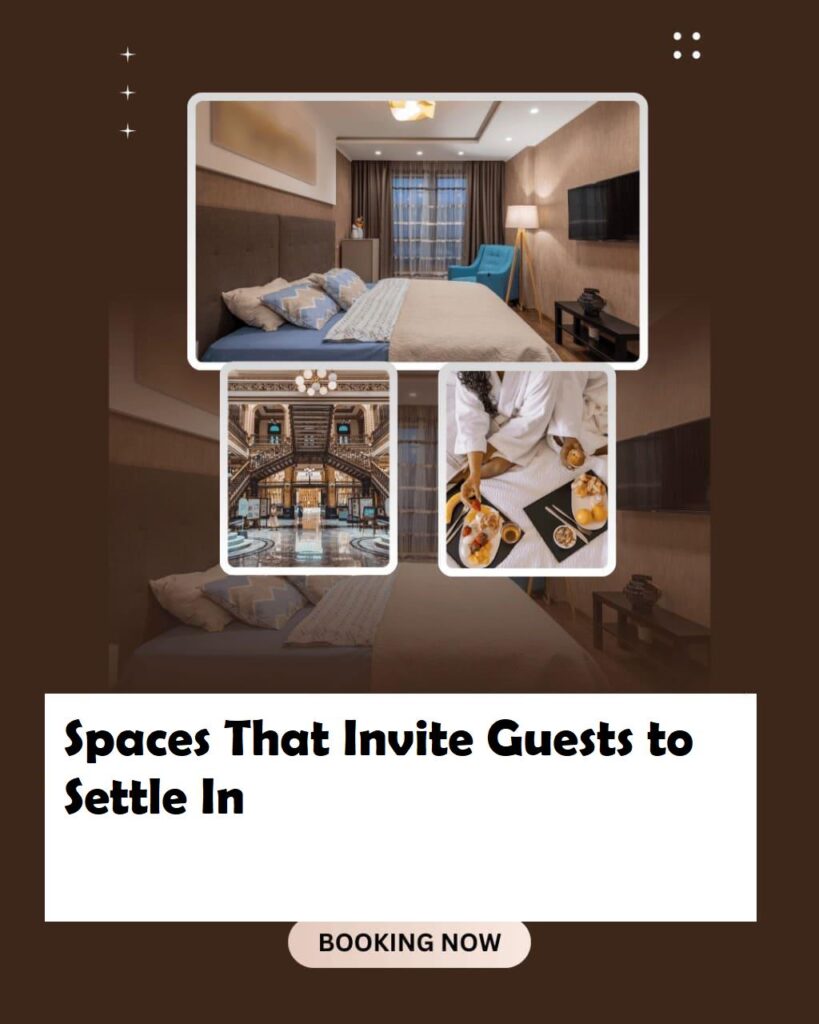
Living Spaces That Feel Instinctively Familiar
Some hotels achieve comfort not by copying domestic interiors, but by understanding how people actually inhabit space. Thoughtful proportions, warm materials, and seating arranged for conversation rather than display create environments that feel familiar without being predictable. At The Greenwich Hotel, the experience begins the moment guests step into its intimate lounge spaces. Fireplaces, handcrafted details, and softly layered lighting encourage guests to pause, sit, and stay awhile—transforming arrival into a moment of quiet transition rather than a hurried check-in.
Architecture That Encourages Staying, Not Passing Through
Hotels designed to invite settling in often resist dramatic circulation patterns. Instead of directing guests quickly from lobby to elevator, they offer intermediate spaces meant to be occupied. Aman Tokyo exemplifies this philosophy through expansive yet calming volumes that feel meditative rather than imposing. Seating areas overlook the city without overwhelming it, and the deliberate pacing of the interiors allows guests to acclimate gently, making even brief moments of rest feel restorative.
Rooms Designed for Lingering
A guest room that invites settling in goes beyond high-thread-count linens and generous square footage. It considers how guests unwind—where they read, how they sit, and how the room supports unstructured time. At Hotel Il Pellicano, rooms open to terraces that blur the boundary between interior and landscape. The result is an environment where guests naturally linger, enjoying morning light, long afternoons, and evenings that unfold without urgency.
Social Spaces That Respect Personal Rhythm
Inviting spaces understand that comfort is deeply personal. Some guests seek conversation; others crave solitude within a shared environment. The Upper House balances these needs through lounges and dining areas that feel open yet discreet. Seating is arranged to allow both interaction and privacy, enabling guests to participate in the life of the hotel at their own pace rather than being drawn into it.
Q&A: Additional Hotels That Invite Guests to Settle In
Q: Which hotels are ideal for travelers who enjoy spending time within the property itself?
A: Heckfield Place is designed for unhurried stays, with rooms and common areas that feel residential yet refined, encouraging guests to treat the estate as a temporary home.
Q: Are there urban hotels that still feel calm and grounding?
A: Yes. The Temple House integrates historic architecture with modern comfort, creating urban spaces that feel settled and serene despite their central location.
Q: What about resorts that focus on emotional ease rather than spectacle?
A: Como Shambhala Estate prioritizes rhythm and routine, allowing guests to ease into daily life through thoughtfully designed villas and communal spaces that promote balance and continuity.
Conclusion
“Spaces That Invite Guests to Settle In” represent a refined approach to luxury—one that values emotional comfort as much as visual beauty. These hotels succeed not by demanding attention, but by offering environments where guests feel naturally at ease, free to linger, rest, and inhabit the space fully. For travelers who see true luxury as the ability to slow down and feel at home anywhere in the world, these destinations offer an experience that is quietly exclusive, deeply personal, and genuinely restorative.